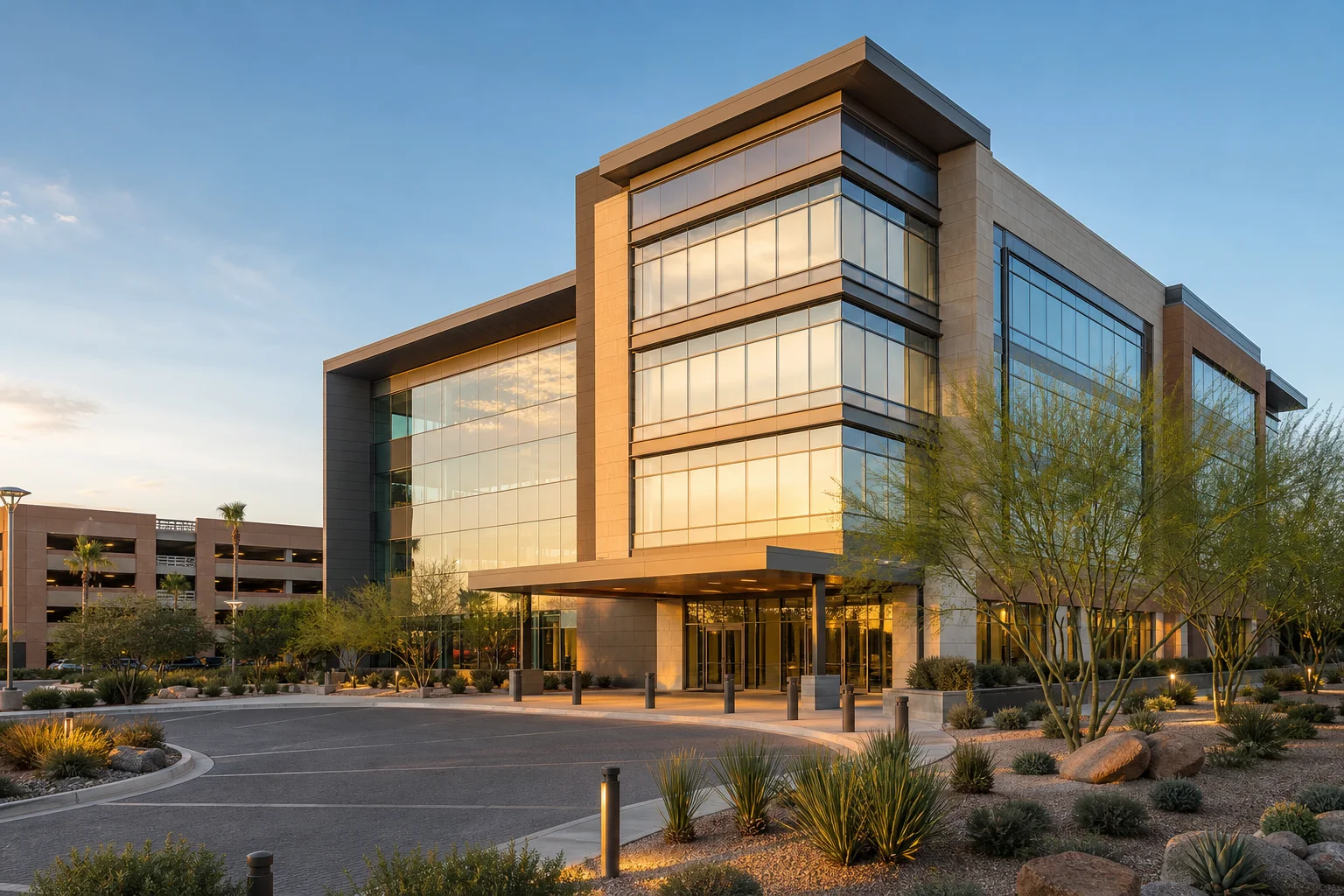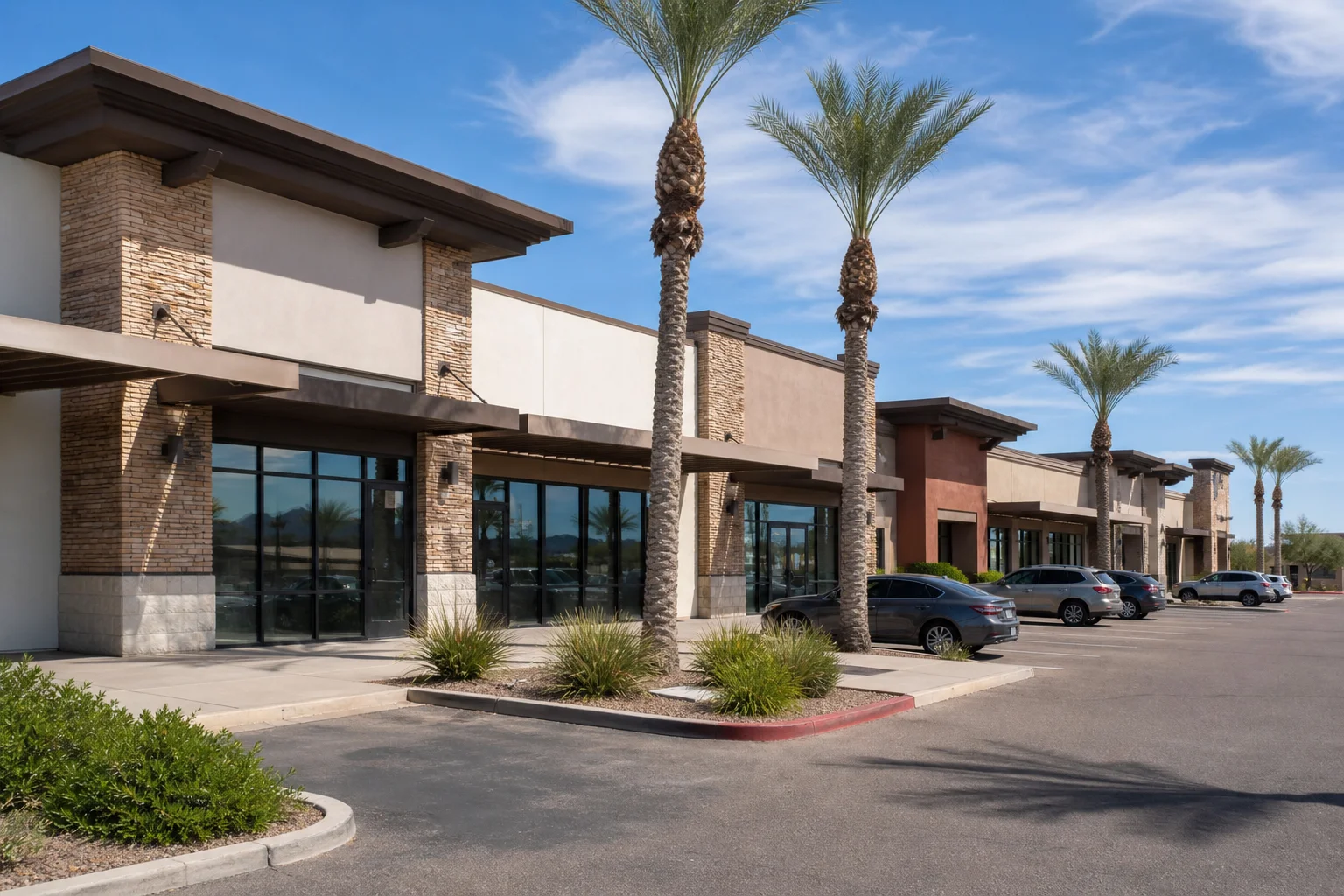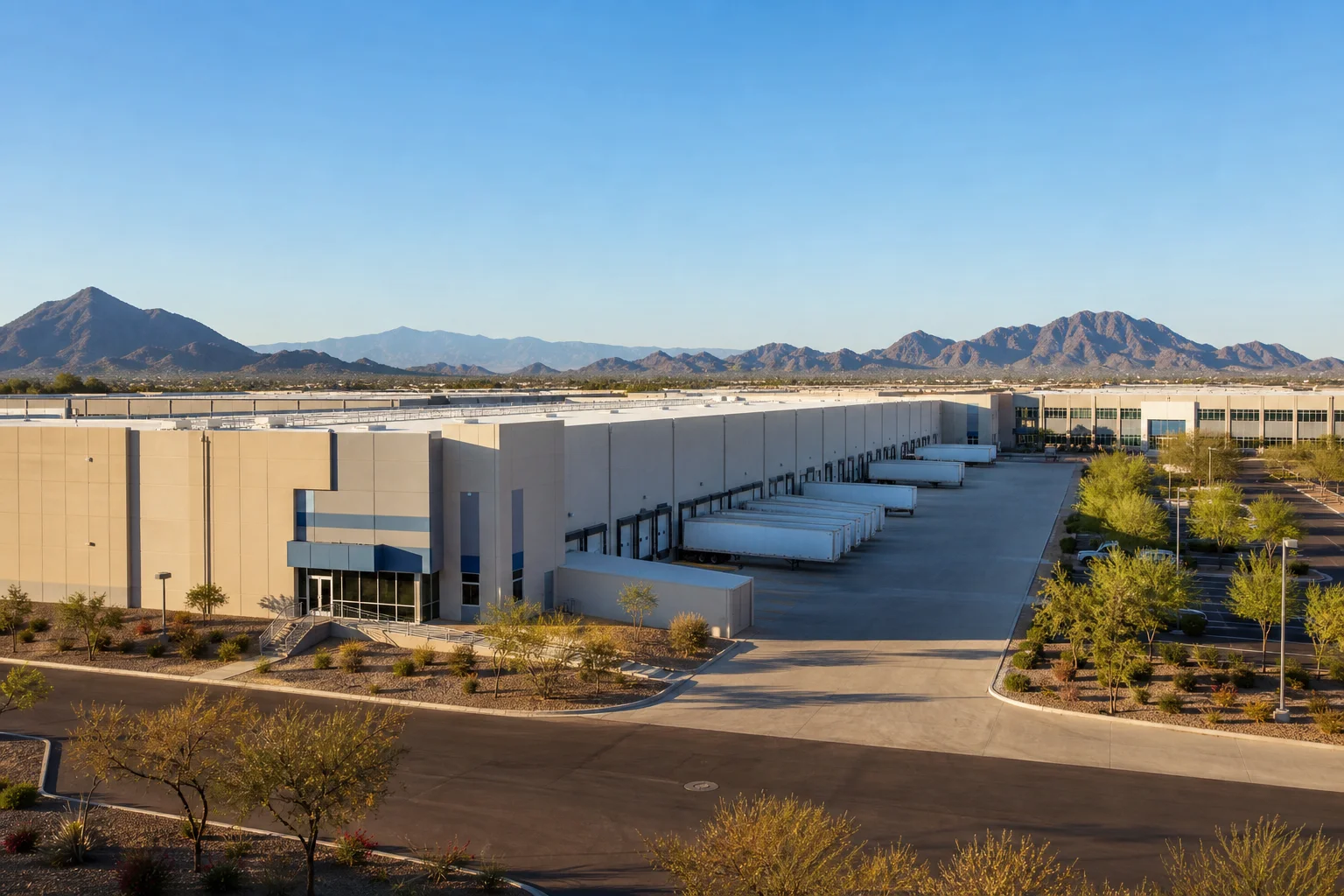
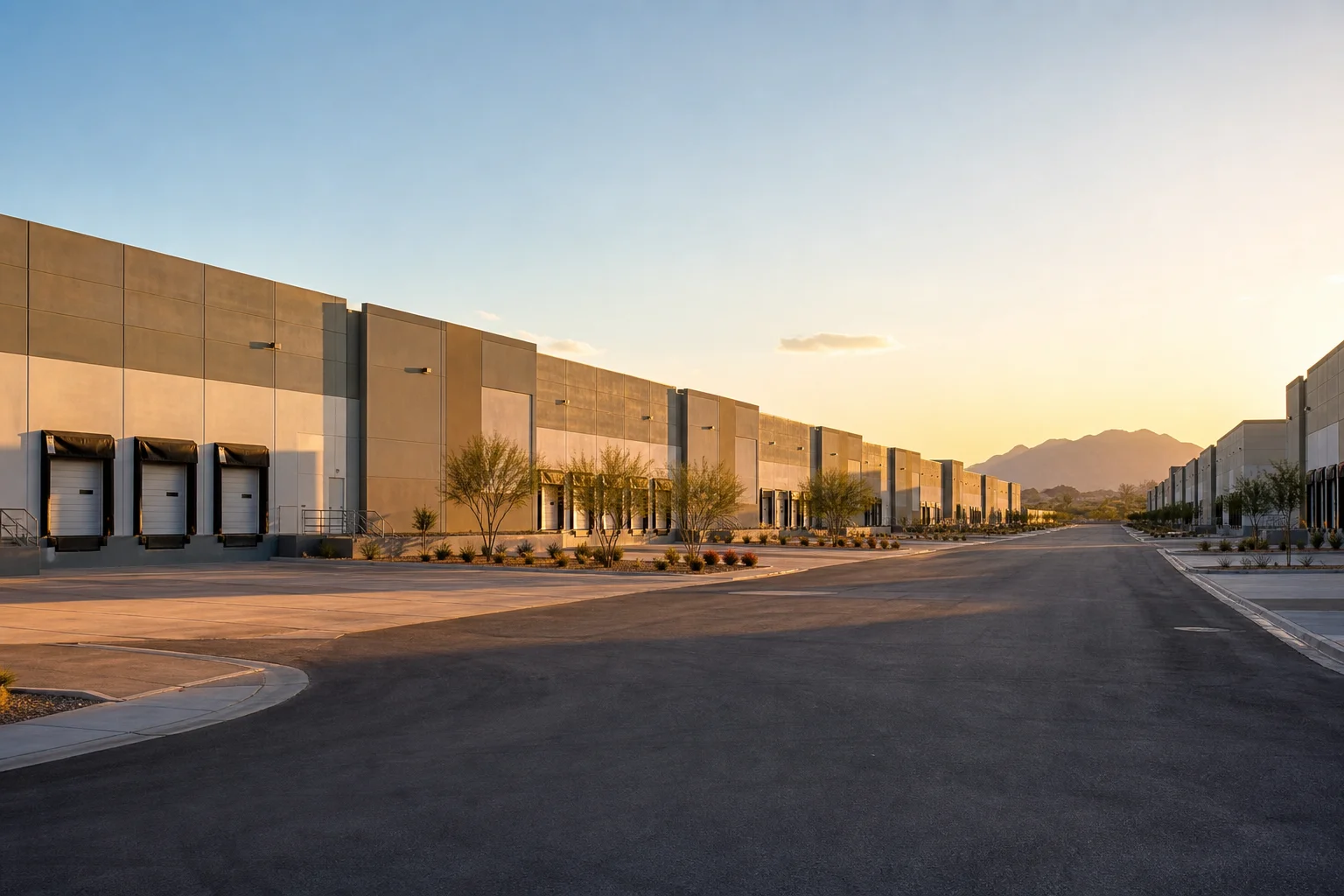
Tenants leasing warehouse or flex space in the East Valley should identify the twelve clauses to red-line in an East Valley industrial lease before you sign, covering operating expenses, assignment rights, personal guaranty terms, and renewal options. A disciplined red-line pass on industrial real estate protects cash flow and operating control for the full lease term.
By David Pierce, MHG Commercial
What It Means to Red-Line a Commercial Lease Before You Sign
Red-lining a lease means marking up the landlord's draft, clause by clause, before either party signs. Identifying the twelve clauses to red-line in an East Valley industrial lease before you sign starts with reading the document line by line rather than skimming it once before initialing each page. Every lease a landlord hands a prospective tenant is written to favor the landlord: it was drafted by the landlord's attorney, using the landlord's preferred terms, with the landlord's risk shifted onto the tenant wherever the market allows it.
That does not mean the lease is unfair. It means the tenant's job, before signing, is to read each clause against the deal that was actually negotiated verbally, check for anything that shifts cost or liability beyond what was discussed, and require the landlord to explain any term that is not clear. Treat any clause that surprises you as a red flag worth clarifying before signing, not something to note and move past.
The Twelve Clauses to Red-Line in an East Valley Industrial Lease Before You Sign
Not every clause carries equal weight. For East Valley industrial space, spanning distribution, light manufacturing, and flex product in Chandler, Gilbert, Tempe, and the surrounding submarkets, twelve clauses account for most of the red flags and unexpected costs tenants report after signing:
- Operating expense and CAM (common area maintenance) clause
- Assignment and subletting clause
- Personal guaranty clause
- Renewal option clause
- Rent escalation clause
- Repair and maintenance responsibility clause (roof, HVAC, dock doors, warehouse floor)
- Permitted use clause
- Default and cure period clause
- Insurance and indemnification clause
- Early termination clause
- Environmental and hazardous materials clause
- Estoppel and subordination (SNDA) clause
The sections below walk through the clauses that generate the most negotiation, along with the market conditions and process behind an East Valley industrial deal.
How Operating Expense and CAM Clauses Affect an Industrial Lease
Most East Valley industrial leases are structured as triple net (NNN), meaning the tenant pays base rent plus a pro-rata share of operating expenses, property tax, and insurance. The CAM clause defines what counts as an operating expense and how the landlord bills it back to the tenant.
Before signing, a tenant should ask for an expense cap, a ceiling on year-over-year CAM increases, so a landlord's capital project does not show up as an uncapped line item on next year's bill. The clause should also spell out audit rights: the right to request the landlord's expense records and check a charge that looks wrong. Without audit rights, a tenant has no way to confirm whether a fee is a shared operating cost or a cost the landlord should be covering out of base rent.
Expense Caps and Audit Rights
Cap language typically limits controllable expenses, landscaping, management fees, and routine repairs, to a fixed annual increase, while taxes and insurance usually stay uncapped since those sit outside the landlord's control. Ask for a written definition of what counts as controllable, not a verbal assurance, since that single word determines what the cap actually protects.
What to Look for in the Assignment and Subletting Clause
An industrial tenant's plans change over a five- or ten-year term: a business relocates, downsizes, or gets acquired. The assignment and subletting clause determines whether the tenant can hand off the space if that happens.
Landlords typically require consent before a tenant assigns the lease or subleases any portion of the building. The clause worth checking is whether that consent must be not unreasonably withheld, or whether the landlord retains sole discretion to refuse. The second version gives the landlord effective veto power over the tenant's exit, which matters if a tenant later needs to leave before the term ends. Also check for a recapture right, language letting the landlord take the space back rather than approve a sublease, which can block a tenant from subleasing to cover rent during a slow stretch.
How a Personal Guaranty Clause Works in an Industrial Lease
Many East Valley industrial leases, especially for tenants without an established credit history or several years of financials, require a personal guaranty from the business owner. The guaranty makes the owner personally liable for the lease obligations if the business defaults, on top of the corporate entity's own liability.
The clause worth negotiating is the guaranty's scope and duration. A full guaranty covers the entire lease term and every dollar owed; a capped or burning-off guaranty limits liability to a fixed dollar amount or a set number of months, then reduces or ends once the tenant establishes a payment history, often 24 to 36 months in. Ask whether the guaranty burns off after a defined period of on-time payment, and get that trigger written into the lease rather than treated as something the landlord might agree to later.
What Renewal Option and Rent Escalation Terms Should You Negotiate
Two clauses determine what a tenant pays and how long: the renewal option and the rent escalation schedule.
The renewal option clause sets the window, often 6 to 12 months, in which a tenant must give the landlord written notice to exercise the option. Miss that window by even a few days and the option can lapse, leaving the tenant to renegotiate from scratch or vacate at term end. Confirm the notice deadline and calendar it at least one month ahead of the deadline itself, not the day it closes.
Escalation Formulas: Fixed vs Market-Based
Rent escalation clauses use either a fixed annual percentage or a market reset tied to comparable lease rates at renewal. A fixed escalation is predictable and easier to budget against; a market reset carries more risk if the submarket tightens, but can also work in the tenant's favor if rents soften. Neither is universally better. The right choice depends on how long the tenant plans to stay and how much budget certainty the business needs.
How East Valley Industrial Market Conditions Affect Your Negotiating Leverage
Negotiating leverage on any of the clauses above depends heavily on East Valley industrial market conditions at the time a tenant signs. When vacancy is tight and available space is scarce, a landlord has less incentive to soften CAM caps, guaranty terms, or assignment language, because another tenant is likely waiting. When vacancy loosens and more product sits available, tenants gain room to negotiate on nearly every clause in this list, including concessions that are not on the table in a landlord's market.
Submarket matters too: Chandler and Gilbert industrial product, driven by advanced manufacturing and distribution demand, moves through different supply cycles than older Tempe industrial stock. A broker actively tracking current East Valley industrial inventory can tell a tenant, before negotiations start, which clauses a landlord is likely to hold firm on and which ones are realistically open to move.
Frequently Asked Questions
How long does it take to negotiate an industrial lease in the East Valley? Most East Valley industrial lease negotiations take two to six weeks from the first markup to a signed lease, depending on how many rounds of red-lines go back and forth and how quickly the landlord's attorney turns around revisions. A straightforward renewal can close faster; a new lease involving a personal guaranty negotiation or an unusual use clause often takes longer.
Should a tenant hire a broker or attorney to review a lease before signing? Both serve different roles. A tenant representation broker negotiates deal terms, market rent, and concessions, and tenants who want that support can contact our brokerage before signing. An attorney reviews the legal language: liability, indemnification, default remedies, and enforceability. For an industrial lease with meaningful annual rent, most tenants use both.
What happens if you sign an industrial lease without red-lining it? A tenant who signs the landlord's draft as written accepts every clause exactly as the landlord's attorney wrote it, including an uncapped CAM clause, a full personal guaranty, and a landlord's-discretion assignment clause. Once signed, changing those terms requires the landlord's agreement, which is far harder to get after the lease is executed than before.
What is the difference between a gross lease and a NNN lease for industrial space? In a gross lease, the landlord bundles operating expenses into a single rent figure; in a NNN lease, the tenant pays base rent plus a pro-rata share of taxes, insurance, and CAM separately. Most East Valley industrial space leases NNN, which shifts more cost variability, and more of the CAM negotiation described above, onto the tenant.
Can lease clauses be renegotiated after the lease is signed? Occasionally, but only with the landlord's agreement, typically through a formal lease amendment. Landlords have little incentive to reopen terms once a lease is signed unless the tenant is renewing, expanding, or requesting a change the landlord also wants, such as extending the term. This is why red-lining before signing matters more than hoping to fix a clause later.
Talk to a Broker Before You Sign Your Next East Valley Industrial Lease
Reviewing the twelve clauses to red-line in an East Valley industrial lease before you sign takes a few hours before signing and can prevent months of dispute after. Pierce Commercial Real Estate works with East Valley industrial tenants through lease review and negotiation before they commit to a term.