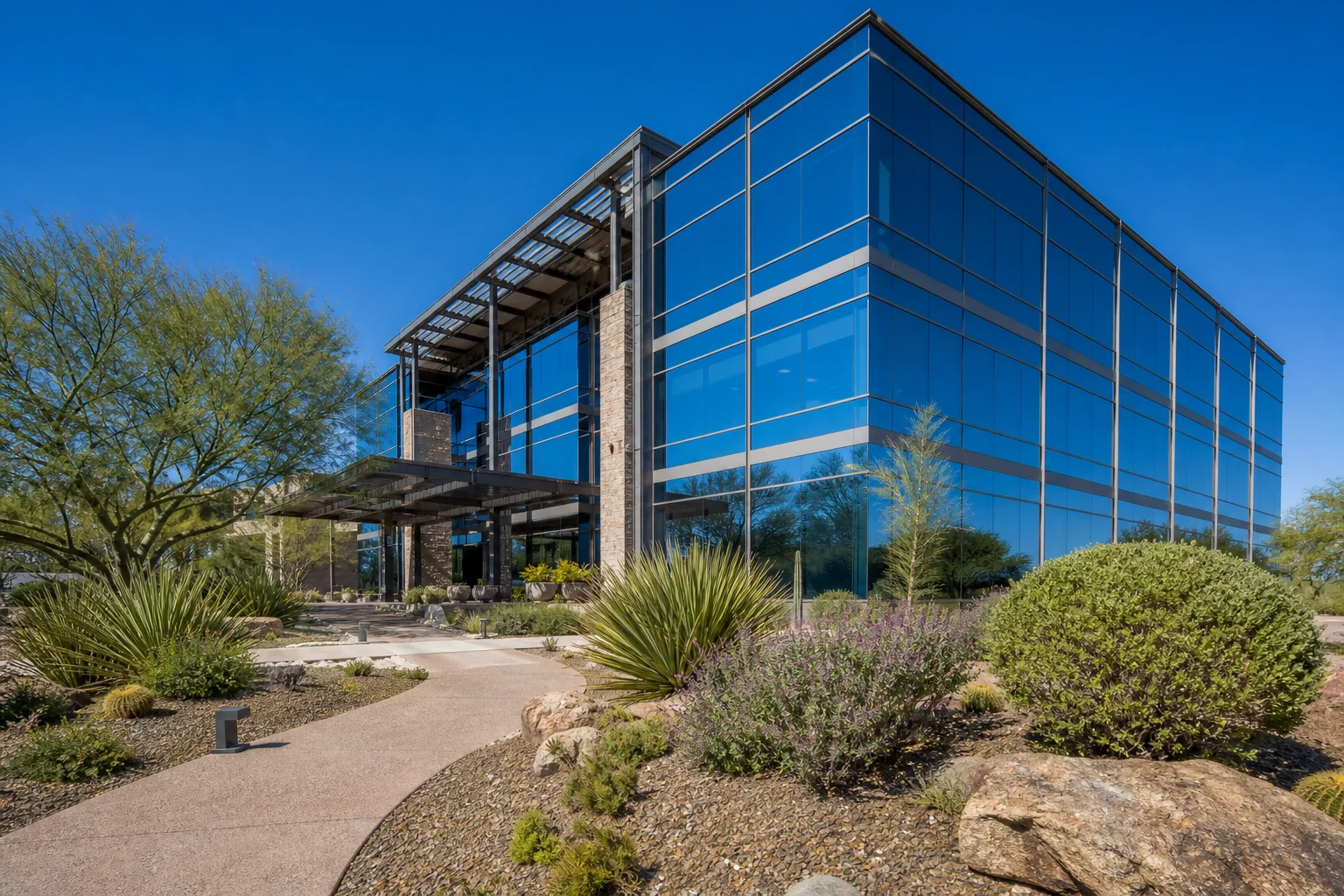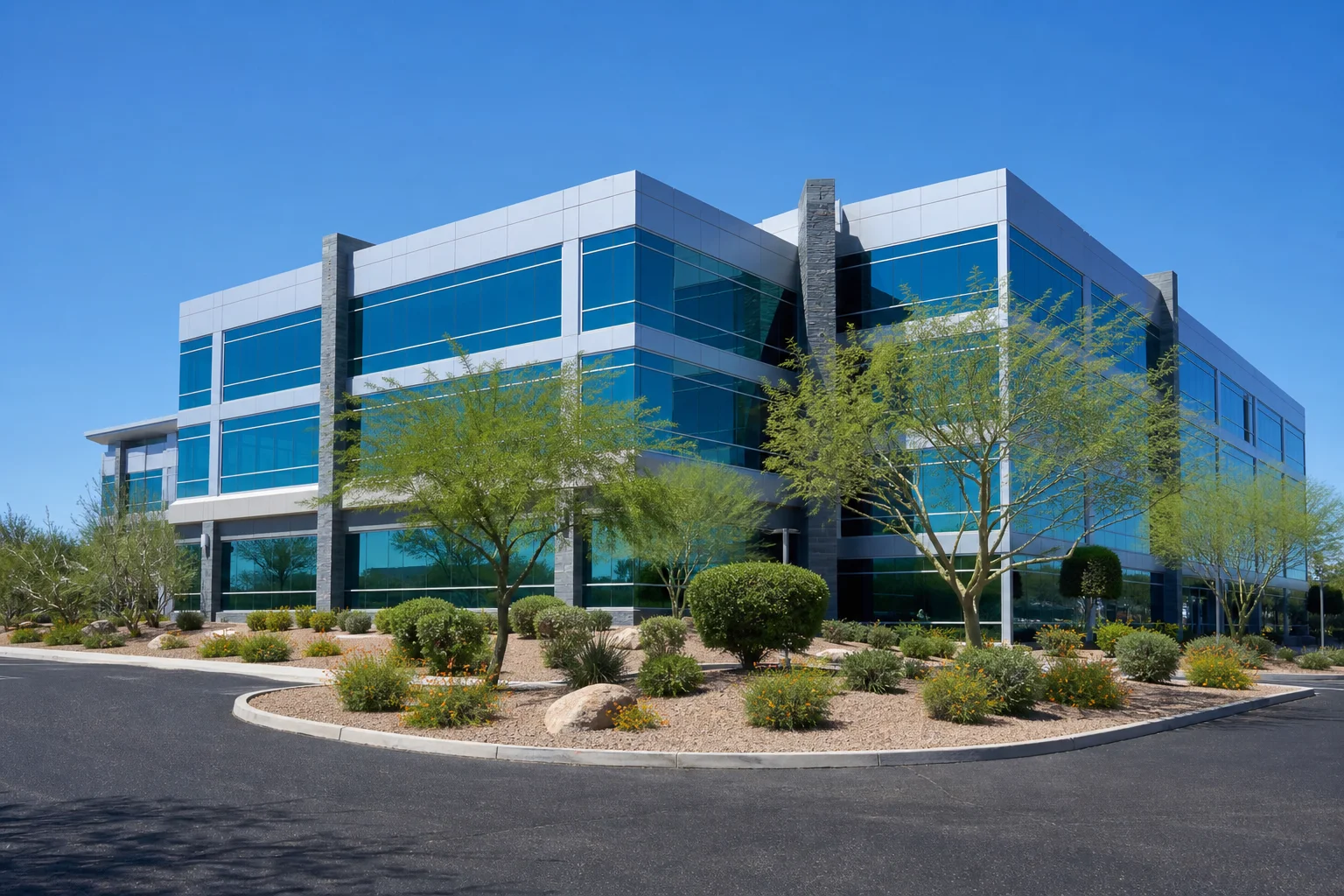
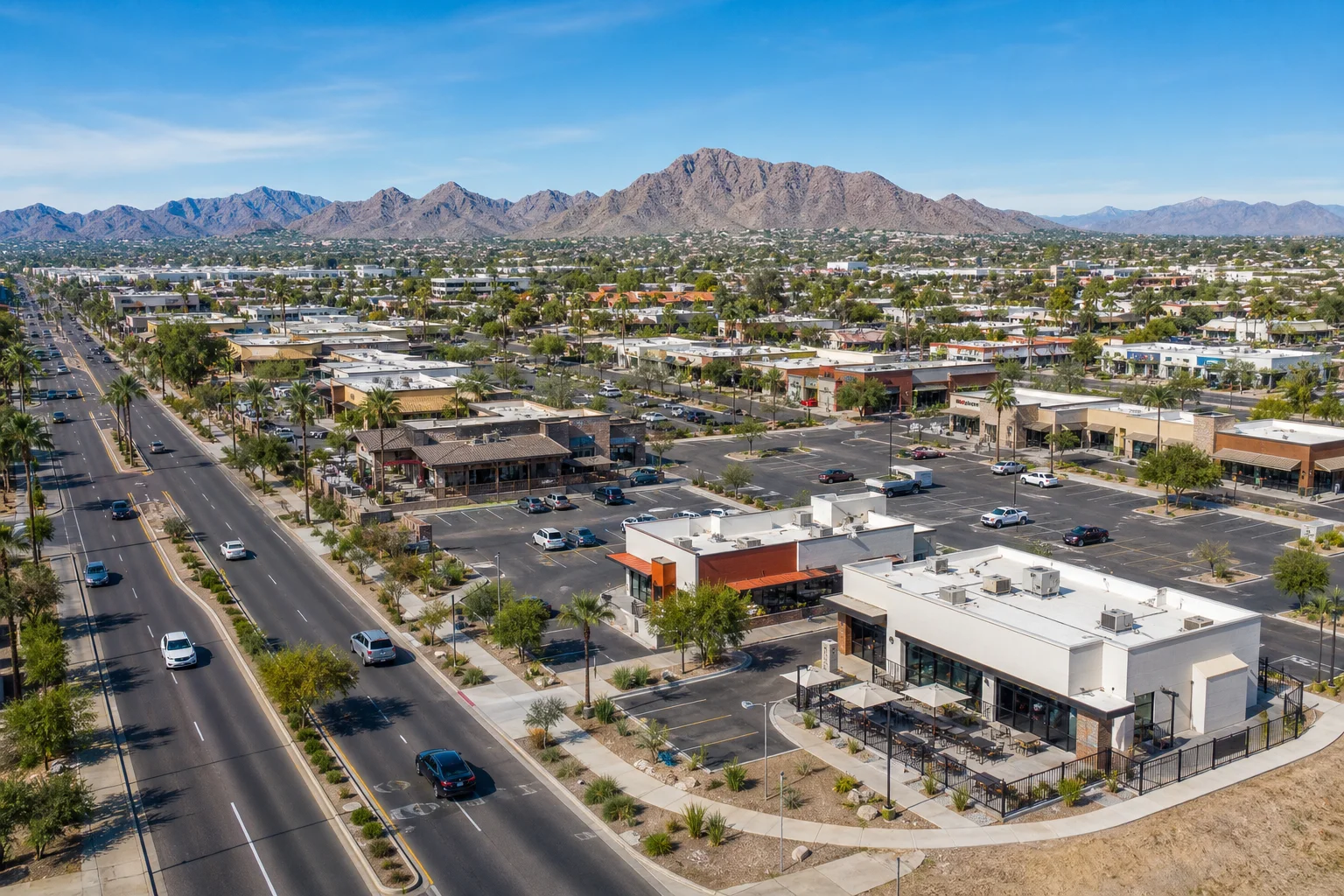
Scottsdale's restaurant and quick-service retail sites attract some of the most competitive leasing activity in Arizona because the market pairs high household incomes, year-round tourism, and dense retail corridors purpose-built for food-forward tenants. Whether you are evaluating a pad site on a major arterial or an inline space inside a lifestyle center, understanding this market separates sound decisions from costly ones.
By David Pierce, MHG Commercial
Why Scottsdale Is a Priority Market for Dining and Food Retail
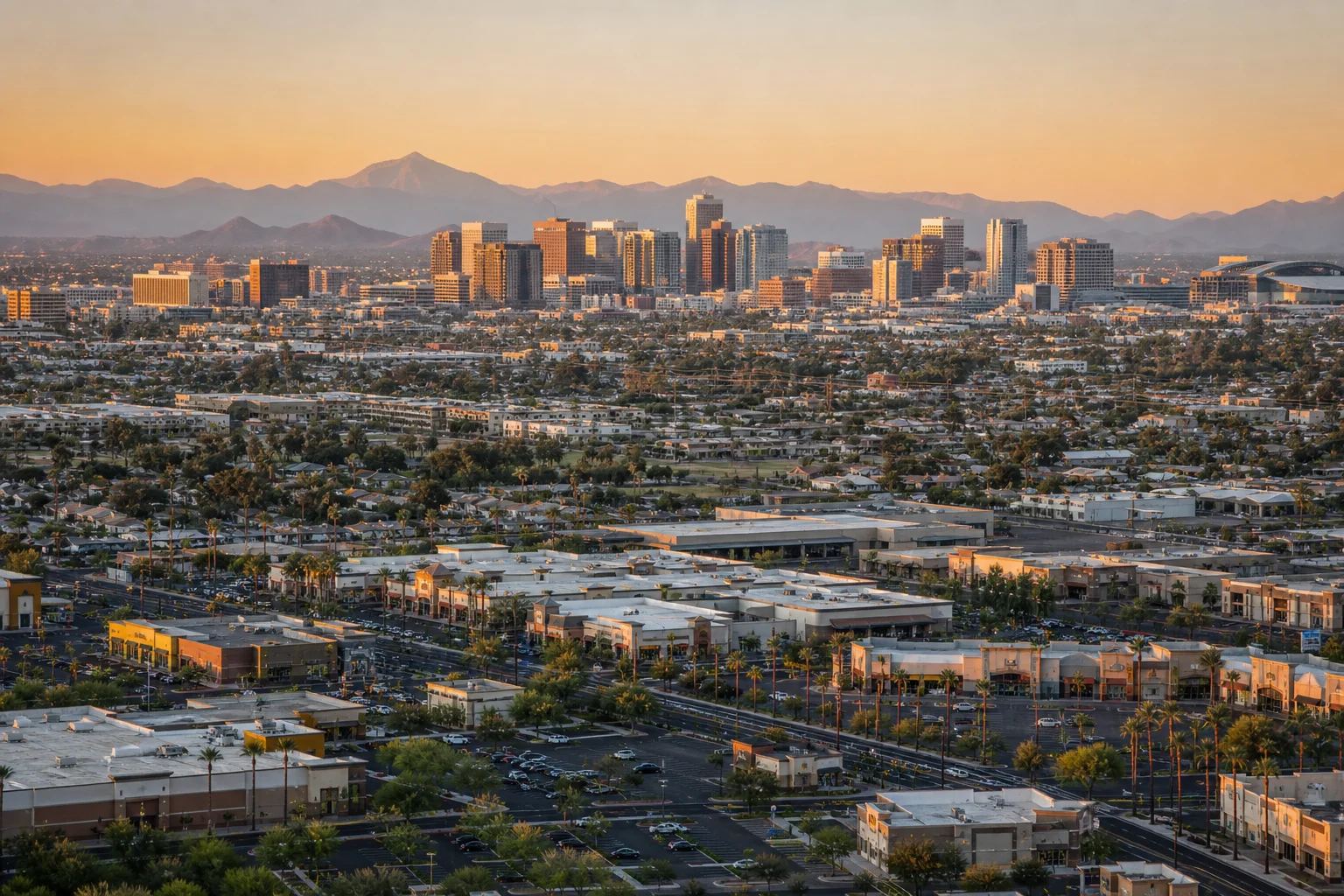
Scottsdale consistently ranks among the most active quick-service and dining markets in the Southwest. The city's residential base skews toward households with incomes that support frequent restaurant visits across a wide range of price points. Tourism adds a second demand layer: Scottsdale draws millions of visitors annually through resorts, golf, and the Old Town arts district, which means food concepts are not relying on a single customer profile to hit their numbers.
The north Scottsdale corridor has matured into a regional draw that pulls shoppers and diners from Tempe, Gilbert, Phoenix, and beyond. Trade areas here extend well past city limits, giving operators access to a broad and consistent customer base throughout the week. For investors, that geographic reach supports stronger sales projections and reduces the concentration risk tied to any one neighborhood.
Arizona's climate is a structural advantage worth quantifying. Patio dining remains viable for eight to nine months a year across the Phoenix metro. In Scottsdale specifically, covered outdoor space is a standard design element at higher-performing food concepts, and operators who build for patio capacity often see meaningful revenue per square foot advantages during the October through May peak window.
Kierland Commons and Scottsdale Quarter: Benchmark Corridors
No accurate map of Scottsdale's restaurant real estate is complete without Kierland Commons and Scottsdale Quarter. These two adjacent projects along Scottsdale Road near the Loop 101 represent the highest-visibility dining and shopping corridors in the north Scottsdale submarket, and they function as the pricing reference for the broader market.
Kierland Commons operates as an open-air mixed-use center with a well-developed food and beverage tenant mix. National and regional brands that anchor the dining roster have used it to test concepts before expanding into other Arizona markets. The center draws a demographic that expects quality, and operators who consistently leave taste buds satisfied with a thoughtful, well-executed product build loyal return customers rather than relying on tourist novelty.
Scottsdale Quarter adds a different level of energy. Its layout encourages extended visits that move between shopping, dining, and entertainment, and the project's tenant mix leans toward elevated casual and full-service restaurants alongside best-in-class retail brands. Both centers maintain high occupancy, which keeps new-to-market operators competitive for any available space and pushes lease rates accordingly.
For true investment-grade analysis, cap rates and asking rents at Kierland Commons and Scottsdale Quarter establish the ceiling for food and retail valuations across the north Scottsdale submarket. Understanding where a target property sits relative to these benchmarks is the starting point for any credible underwriting.
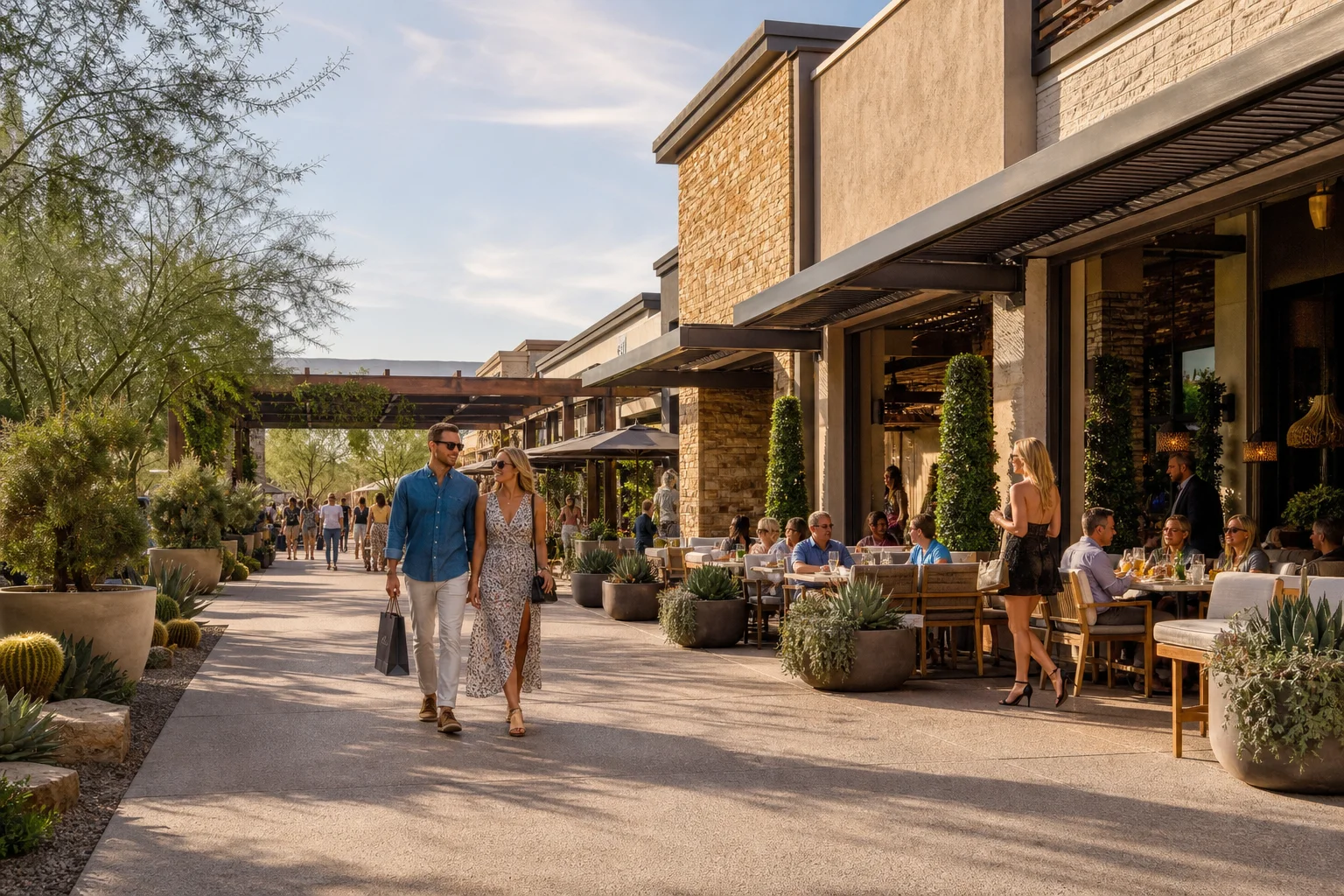
Site Selection Criteria for Restaurant and Quick-Service Concepts
Choosing the right location is the most consequential decision a food operator or investor makes, and the variables are quantifiable. Serious operators build a scorecard before committing to a letter of intent.
Traffic and Access
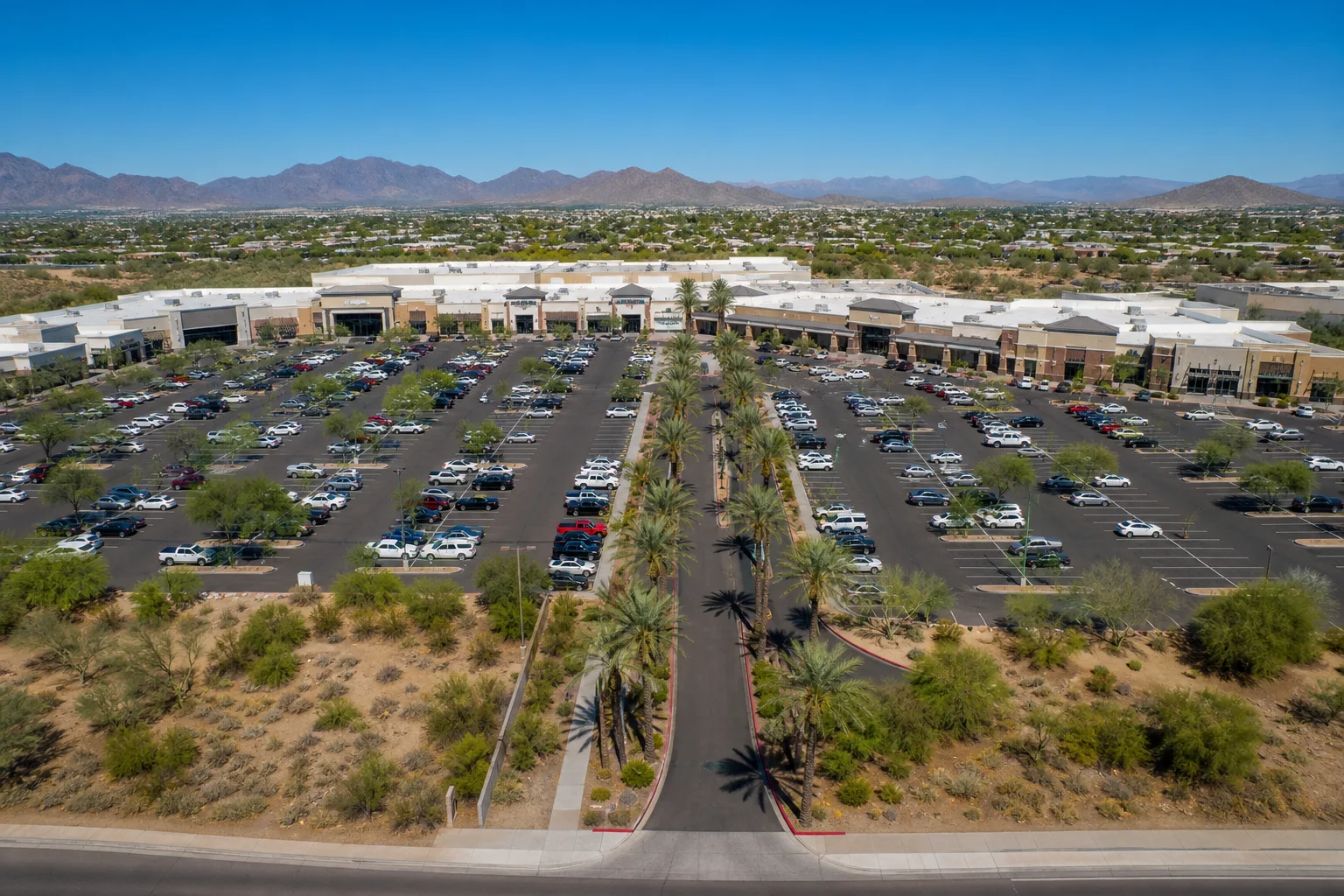
The Arizona Department of Transportation publishes average daily traffic figures for state routes and major arterials. A quick-service concept on a Scottsdale arterial should target volumes that support the required customer counts during peak hours: breakfast, lunch, and drive-time. Beyond raw volume, ingress and egress matter. A site with strong traffic counts can still underperform if left turns are restricted or if the entry point is not intuitive from the primary travel direction. Map the path a customer takes from the street to the parking field before proceeding.
Parking Ratio and Configuration
Dining uses are more parking-intensive than general retail. A 2,000-square-foot quick-service restaurant often requires a parking ratio that matches or exceeds what a larger soft goods retailer would need, because food operations generate higher customer turnover in shorter time windows. Evaluate the ratio against your concept's peak covers and any drive-through stacking requirements.
Pad Versus Inline Space
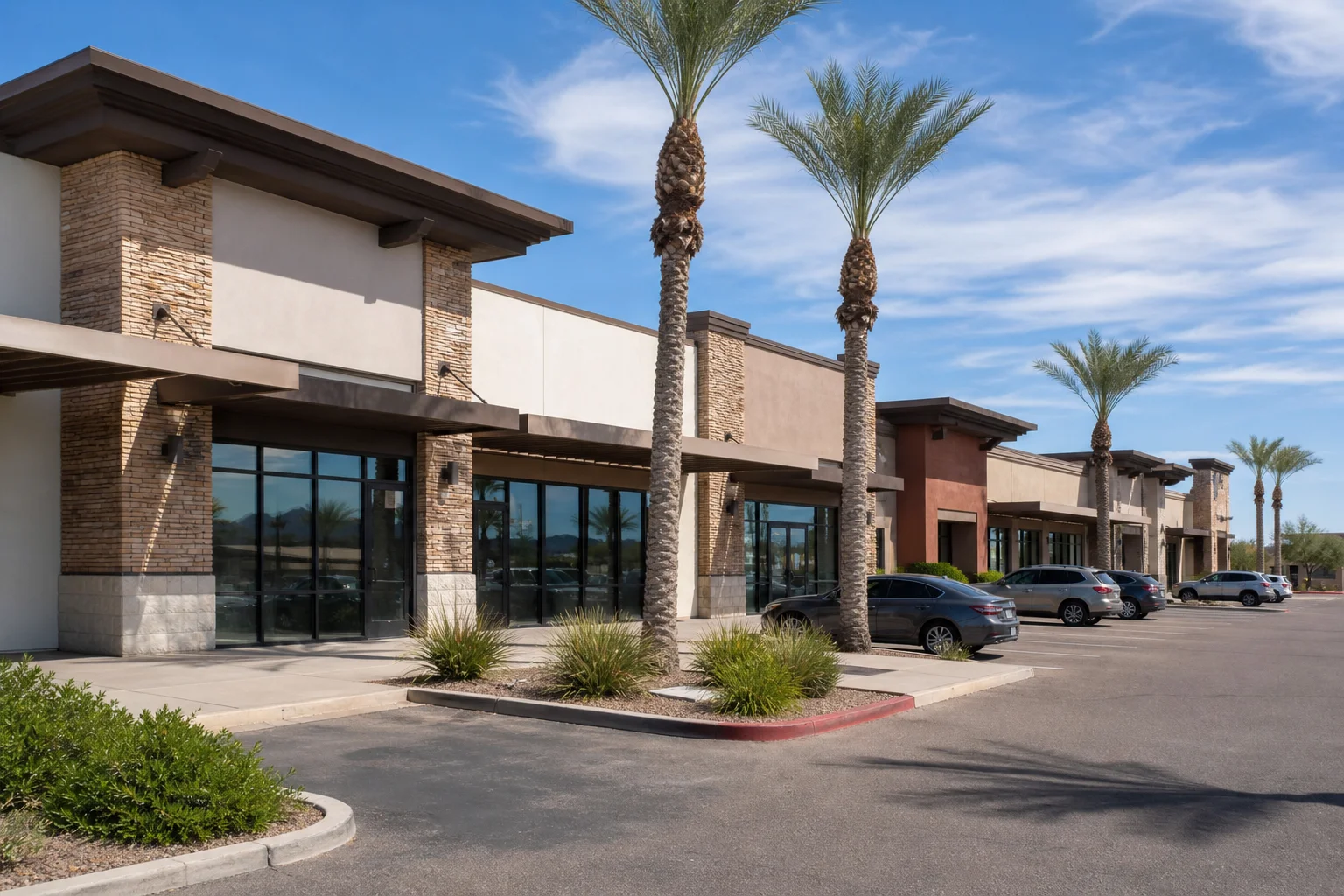
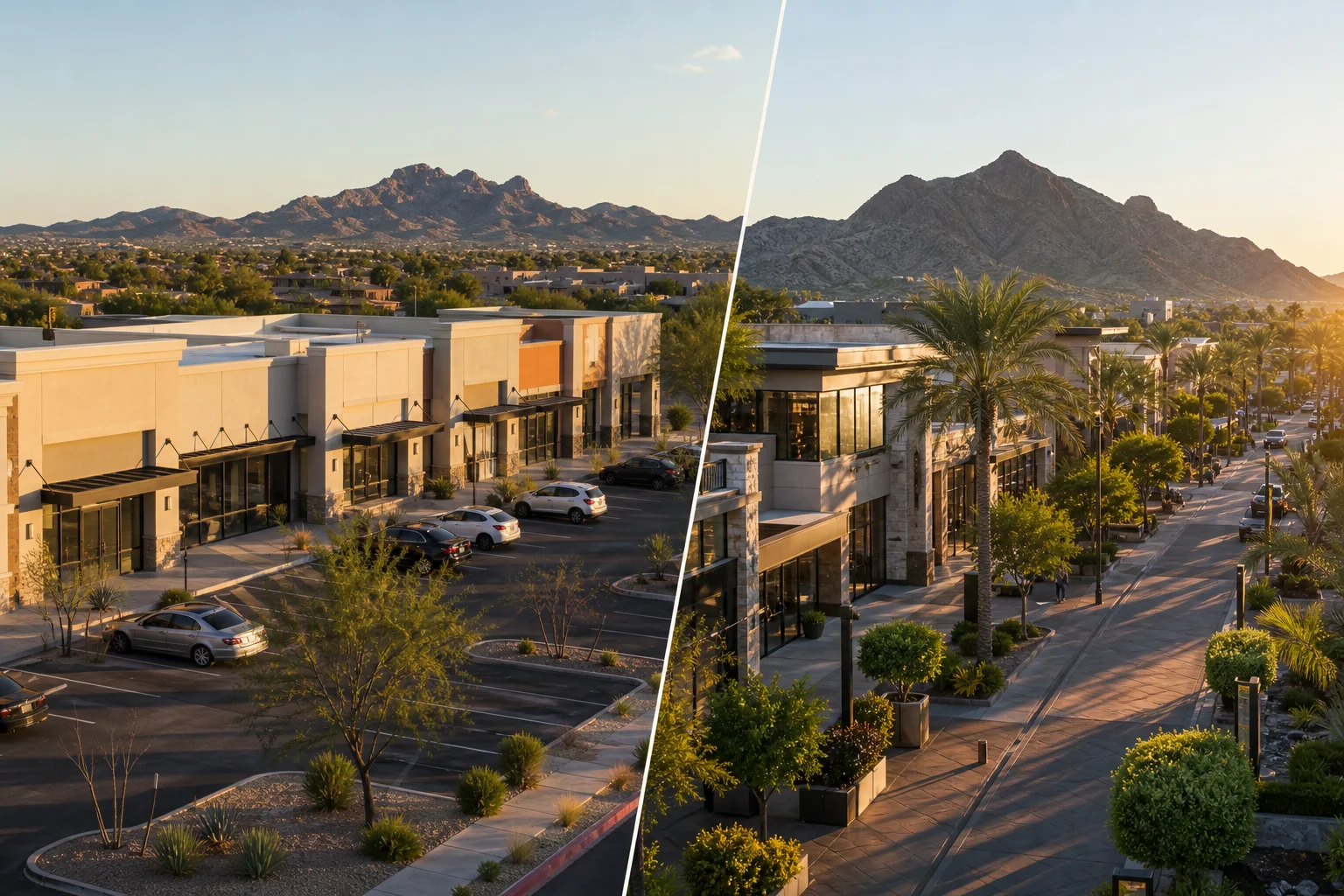
Freestanding pad sites deliver signage visibility and dedicated parking. Inline space inside a shopping center offers shared parking, co-tenancy draw from anchor stores, and sometimes lower base rent in exchange for less independence. The right choice depends on the brand's operational model, whether a drive-through is required, and the demographics of the local home trade area that the site serves.
What Investors Look for in Food-Anchored Retail
From an investment standpoint, restaurant and quick-service retail assets in Scottsdale represent a wide range of risk-return profiles. NNN-leased QSR buildings occupied by national brands with investment-grade credit offer income stability and minimal landlord obligations, but they trade at compressed yields in a market with strong demand. Multi-tenant retail strips anchored by a strong food use can offer more income range and some upside through lease-up or scheduled rent bumps on shorter-term leases.
Credit quality of the tenant matters significantly. A lease with a franchisee guarantor is a different underwriting exercise than a corporate guarantee. Investors evaluating QSR assets should confirm whether the guarantor has the balance sheet to support the obligation through a demand compression cycle. The Phoenix metro has experienced periodic softness, and food-use properties are not insulated from sales declines when consumer confidence contracts.
That said, food retail has demonstrated resilience relative to general merchandise retail. The shift toward experiential spending that accelerated after 2020 has benefited dining and quick-service over soft goods, and Scottsdale's retail market has absorbed new restaurant supply with few prolonged vacancies in primary corridors.
1031 exchange buyers have been active in this product type. A Scottsdale QSR building with a long-term NNN lease can serve as a clean exchange target for investors coming out of management-intensive multifamily or other commercial property who want passive income with limited day-to-day obligations.
Understanding Lease Structures for Restaurant Spaces
Lease structure in food retail differs from general commercial in several important ways. Restaurant tenants typically negotiate for longer initial terms, often 10 years with multiple renewal options, because the build-out investment is substantial. A full-service restaurant may invest $150 to $300 per square foot or more in tenant improvements, and amortizing that cost requires a long operating period at the location.
Landlords in Scottsdale's stronger corridors, including the nodes adjacent to Kierland Commons and Scottsdale Quarter, often provide little or no tenant improvement allowance because demand is sufficient to attract operators willing to self-fund. In secondary corridors or new developments, allowances become a meaningful negotiating lever that can affect the effective rent calculation.
Percentage rent clauses are common in food and retail leases. Once a tenant's gross sales exceed a defined breakpoint, a percentage of sales above that threshold flows to the landlord. This structure aligns interests and gives landlords upside if a location performs above initial projections. Understanding how the breakpoint is calculated and what sales reporting obligations come with it is essential before signing.
Frequently Asked Questions
What makes Scottsdale a strong market for quick-service restaurants? Scottsdale's combination of high-income residents, year-round tourism traffic, and well-developed retail corridors creates consistent demand for food and dining uses across a wide range of price points. The city's demographics support everything from value quick-service to premium casual dining, and the density of lifestyle centers along the Scottsdale Road corridor gives operators access to curated, high-traffic environments that attract both local customers and out-of-market visitors.
Is it better to buy or lease a restaurant site in Scottsdale? The answer depends on capital structure, brand stage, and investment horizon. Established operators with strong balance sheets often prefer ownership because it builds equity and eliminates lease renewal risk at the end of a term. Early-stage or expanding brands typically lease to preserve capital for build-out and operations. Investors seeking passive income often buy NNN-leased QSR buildings occupied by national brands and hold for income plus long-term appreciation.
What is a typical lease term for a restaurant space in Scottsdale? Initial lease terms for restaurant uses generally run 10 years with two or three five-year renewal options. Shorter initial terms are possible in secondary locations or with smaller operators, but landlords in primary Scottsdale corridors typically require longer commitments given the capital investment both parties make at lease commencement.
How do investors evaluate cap rates on Scottsdale QSR properties? Cap rates on credit-tenanted QSR buildings reflect the tenant's credit profile, remaining lease term, location quality, and the broader retail investment market. Properties in primary corridors with long-term corporate leases trade at tighter yields than multi-tenant strips or assets with franchisee-only guarantors. Buyers should underwrite the credit carefully and stress-test the yield at lease expiration or in the event of early termination.
What should a restaurant operator confirm before signing a Scottsdale site? Verify daily traffic volume, ingress and egress configuration, parking ratio relative to your seating and drive-through model, and visibility from the primary arterial. Confirm that zoning and use permit approvals cover your specific concept and intended hours of operation, and verify utility capacity for kitchen load requirements before committing to a letter of intent.
Connect with a Scottsdale Commercial Real Estate Broker
Evaluating restaurant and quick-service retail sites in Scottsdale requires current market data, active landlord relationships, and a clear read on how investment objectives align with what is available. Contact our brokerage to discuss site opportunities, corridor positioning, and what the current Scottsdale retail market means for your next deal.