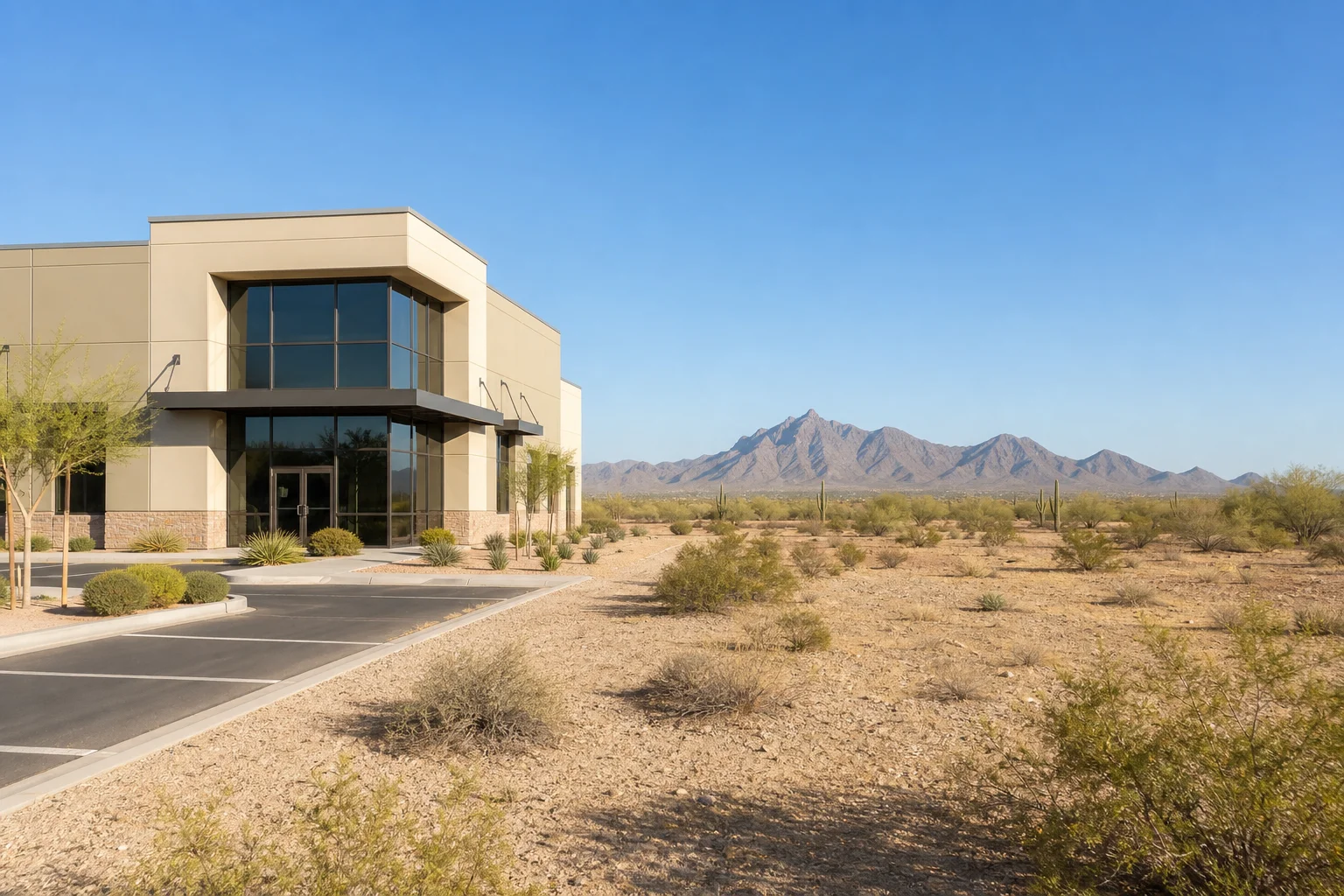
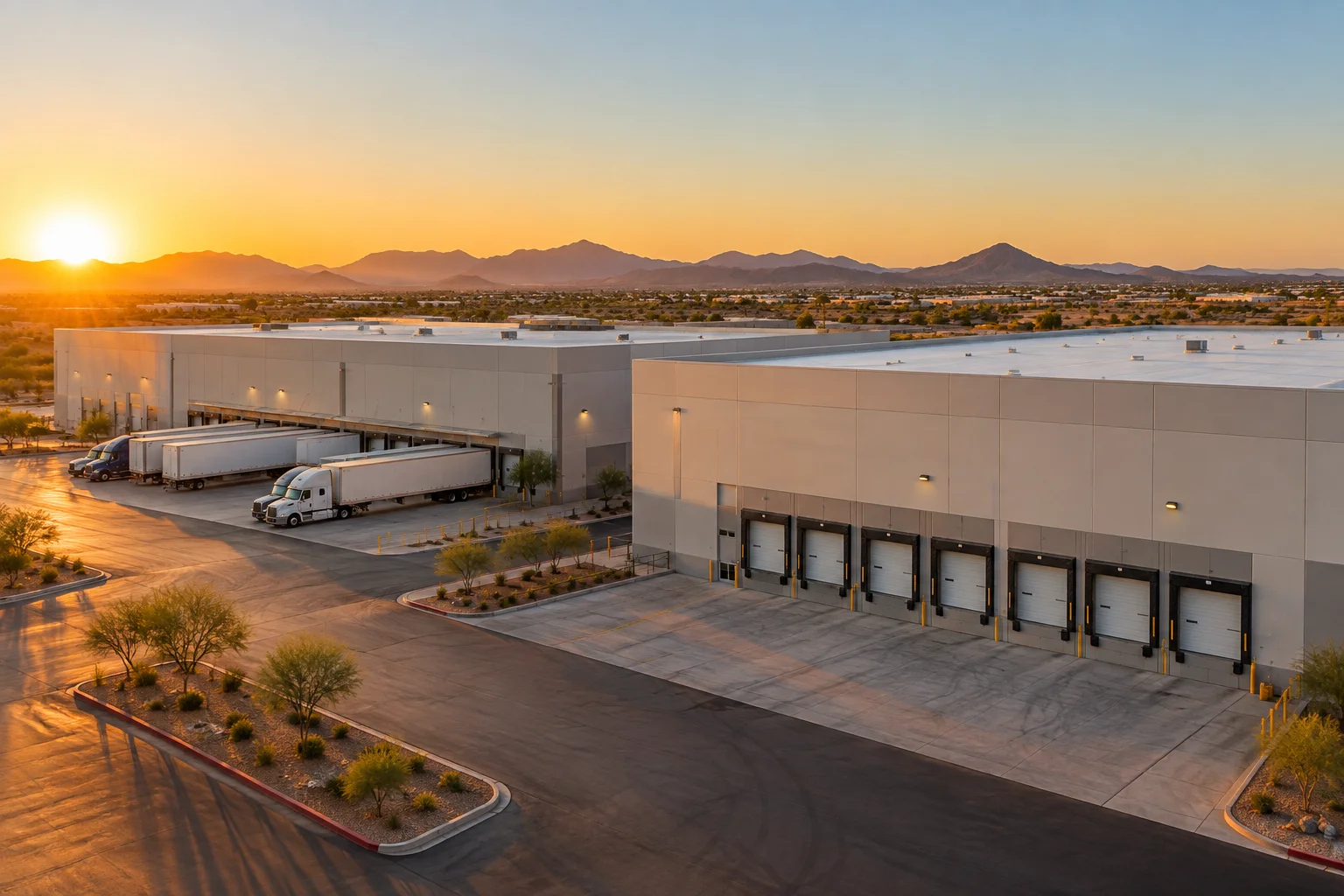
Buying a Phoenix industrial building tenant in place or vacant changes your financing, your closing timeline, and your day-one cash flow. An occupied building bought through industrial real estate channels starts paying rent the moment you close; a vacant one hands you full control of the space but no income until you lease it up.
By David Pierce, MHG Commercial
What "Tenant in Place" Means for a Phoenix Industrial Buyer
"Tenant in place" means the building already carries an operating lease and a paying tenant on closing day, so you inherit the rent roll and the landlord's obligations under that agreement rather than starting with an empty shell. Across Phoenix industrial real estate, from Chandler distribution centers to Gilbert flex-industrial parks, most buildings trade with a tenant in place because owners rarely leave income-producing rental property sitting vacant if they can help it.
Whether you should buy tenant in place or vacant depends on what you need the building to do for you. An investor who wants immediate cash flow and a bankable lease usually buys occupied. An owner-user who plans to run their own operation from the space, or a developer who wants to reposition the property, usually needs it vacant. Neither answer is universal. It comes down to your hold period, your financing, and how much control you need over the building before your money starts working.
Buying an Occupied Industrial Building: Pros, Cons, and What to Check Before Closing
Pros and Cons of Tenant-Occupied Property
The main advantage of buying with a tenant in place is immediate income: rent starts on day one instead of after months of marketing and buildout. Lenders also tend to favor occupied buildings because a signed lease gives them a source of repayment to underwrite against, which usually means better loan terms than on an empty building. The tradeoff is control. You can't move your own operation into the space, reconfigure the dock doors, or set your own rent until the current lease ends, and you're bound by whatever terms the previous owner negotiated, good or bad.
What to Check in the Existing Lease Before You Buy
Before you buy an occupied industrial property, review the full lease agreement, not just the rent summary on the offering memorandum. Confirm the remaining lease term, renewal options, rent escalation dates, and who pays for what under the operating expense structure. Check for an estoppel certificate from the tenant confirming there are no side agreements or landlord defaults, and review the assignment section of the purchase agreement that transfers the lease to you at closing. Pull the tenant's payment history if the seller will provide it: a tenant who pays late every month is a different asset than one who pays on time.
What Happens to the Lease When the Building Sells
The lease survives the sale. You buy the property subject to the existing lease, and the tenant's rights and obligations don't change just because ownership does. You can't take possession of any part of the space yourself, and the seller doesn't deliver vacant possession, unless the lease has already ended or you've separately negotiated an early termination with the tenant before closing. The tenant simply starts sending rent payments to you, or your property manager, on the closing date.
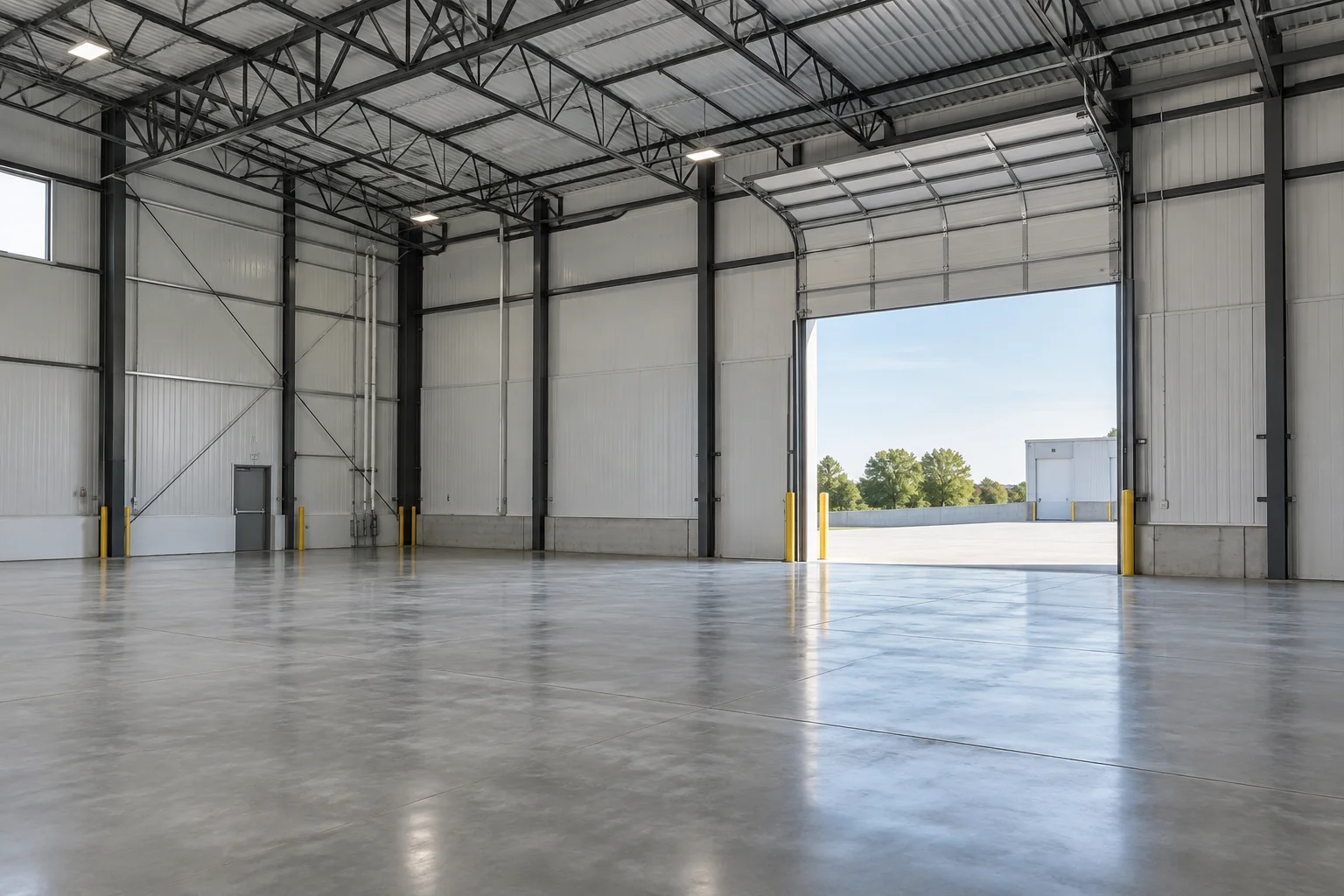
Buying a Vacant Industrial Building: Pros, Cons, and the Lease-Up Timeline
Pros and Cons of Vacant Property
A vacant building gives you the freedom to occupy it yourself, renovate the dock configuration, or market it to a new tenant on your own terms and at current market rent. Vacant buildings also often close faster, since there's no lease to review, no estoppel to chase, and no tenant approval needed for certain changes. The downside is carrying cost: property tax, insurance, utilities, and any loan payment come out of your pocket with no rent offsetting them until you either occupy the space or land a tenant.
How Long Lease-Up Takes in Phoenix
Lease-up timelines for vacant industrial space in the Phoenix market usually run a few months to a little over a year, depending on the building's size, location, and clear height relative to current tenant demand. In tight submarkets like Chandler and Gilbert, well-positioned space with dock-high loading and modern clear heights can lease within 90 to 180 days, since qualified tenants who want that kind of space in this market act quickly. Larger or more specialized buildings, or ones outside core industrial corridors, can sit vacant well past that.
Do Vacant Buildings Sell for Less Than Occupied Ones?
Often, yes, but not always. A vacant industrial building typically trades at a discount to a comparable occupied one because the buyer is taking on lease-up risk and near-term carrying costs instead of buying a stabilized income stream. Selling with a tenant in place typically anchors the price to that income stream, while selling vacant leans more on land and building value alone. That said, a vacant building also reaches a wider buyer pool, since both owner-user and investor buyers can bid on it, and that competition can offset some of the income gap in the final sale price. The size of the discount usually comes down to how fast an appraiser and the market expect that specific building to lease.
Financing Differences Between Occupied and Vacant Industrial Property
Lenders apply different underwriting rules to occupied buildings than to vacant ones. On a tenant-occupied property, the lender underwrites against the in-place rent and lease term, which usually supports a higher loan amount and a lower down payment, since the debt service is backed by a signed agreement rather than a projection. Rental properties with a creditworthy tenant on a long remaining term get the most favorable terms.
Can you get a loan on a vacant industrial building? Yes, but expect more conservative terms. Most commercial lenders will still finance a vacant building, but they underwrite it closer to its as-is or stabilized value, often require a larger down payment, and may want a business plan showing how and when you expect to lease or occupy the space. Some buyers use bridge financing on a vacant building, then refinance into a permanent loan once a tenant is signed and paying.
Sale-Leasebacks and Choosing Tenant in Place or Vacant for Your Portfolio
A sale-leaseback is a transaction where the seller sells you the building and simultaneously signs a lease to stay on as your tenant, so the property is occupied by a lease that starts the same day you close. It's one of the most direct ways to buy tenant in place, since you know exactly who the tenant is, what they pay, and how the lease reads before you ever put the property under contract. Sale-leasebacks are common with owner-occupied industrial users who want to unlock the equity in their building without relocating.
If this acquisition is part of a larger exchange, our 1031 exchange services team can walk through how the income timeline on an occupied building affects your identification and closing deadlines before you make an offer.
There's no universal answer to whether it's better to buy commercial real estate with or without a tenant. If your priority is cash flow starting on day one and a lease a lender can underwrite, buy occupied. If your priority is control over how the building gets used, or you're planning to occupy it yourself, buy vacant and budget for the lease-up period. Most investors end up doing both across a portfolio, matching the tenant in place or vacant decision to what each specific deal needs to accomplish.
Frequently Asked Questions
Is it riskier to buy a vacant industrial building than an occupied one? It carries different risk, not necessarily more. An occupied building carries tenant credit risk and lease terms you didn't negotiate. A vacant building carries lease-up risk and carrying costs until it's occupied. Which one is riskier for you usually depends on your financing, your hold period, and how well you know the Phoenix submarket you're buying into.
Do I need a new appraisal if I buy a building with a tenant already in place? Yes. Lenders order their own appraisal regardless of whether the building is occupied, and an in-place lease typically supports value through an income approach rather than relying only on comparable sales. The appraiser will also review the lease terms directly, since the strength and length of that lease affects how much weight the income approach carries in the final number.
Can I end an existing tenant's lease early after I buy the building? Usually not without the tenant's agreement or an early termination clause already written into the lease. You take the property subject to the existing lease, so review the termination and default sections closely before closing if ending the tenancy is part of your plan.
How much notice does a tenant usually get before their lease ends? It depends entirely on the lease agreement itself. Some leases include automatic renewal unless either party gives written notice by a set date, often 90 to 180 days before the end of the lease term, so check that section before you assume the space will be vacant on any particular date.
Get a Second Opinion Before You Buy
Whether you're weighing a leased Chandler distribution building against a vacant Gilbert flex space, the right call depends on numbers specific to that property and your financing. Contact our brokerage to review the lease, the underwriting, and the lease-up outlook before you make an offer.